

Starting a photography business can be an exciting opportunity for people who enjoy capturing beautiful moments, creating visual stories, and working creatively. Photography is not just a hobby; it can become a professional business that generates income through weddings, portraits, events, commercial projects, product photography, and other specialized services.
With the growing demand for high-quality visual content, photographers have opportunities to work with individuals, families, businesses, brands, influencers, and marketing agencies. Whether you want to become a freelance photographer, open a photography studio, or build a full-service photography company, you can start with a manageable investment and expand as your customer base grows.
If you are wondering how to start a photography business, you need more than a good camera. You must understand photography techniques, choose a profitable niche, purchase suitable equipment, create a portfolio, establish competitive pricing, and develop an effective marketing strategy.
This guide explains everything beginners need to know about starting a photography business, including startup costs, equipment, business registration, pricing, marketing, customer acquisition, and ways to grow a successful photography company.
What Is a Photography Business?
A photography business is a professional service that provides photography-related solutions to individuals, organizations, and companies in exchange for payment.
Photographers capture, edit, and deliver images according to their customers’ requirements. Some work independently, while others operate studios or manage teams of photographers, editors, and assistants.
A photography business can provide services such as:
- Wedding photography
- Birthday and event photography
- Portrait photography
- Product photography
- Fashion photography
- Food photography
- Real estate photography
- Corporate photography
- Family photography
- Travel photography
- Commercial advertising photography
- Newborn and maternity photography
You can specialize in one category or offer multiple services depending on your experience, equipment, interests, and business goals.
Why Should You Start a Photography Business?
Photography offers creative and commercial opportunities for people who enjoy working with cameras and visual storytelling.
Here are some reasons to consider starting a photography business.
1. Multiple income opportunities: You can earn through weddings, events, portraits, product shoots, and commercial assignments.
2. Creative independence: You can develop your own photography style and choose the projects you enjoy.
3. Flexible working opportunities: Freelance photographers can manage their schedules and accept projects based on availability.
4. Growing business demand: Companies, online stores, restaurants, and brands need professional images for marketing and advertising.
5. Business expansion: You can start independently and eventually hire photographers, editors, and studio assistants.
6. Different business models: You can operate from home, work at customer locations, or establish a professional photography studio.
However, success requires technical knowledge, customer management, consistent quality, and financial planning.
Step 1: Choose Your Photography Business Niche
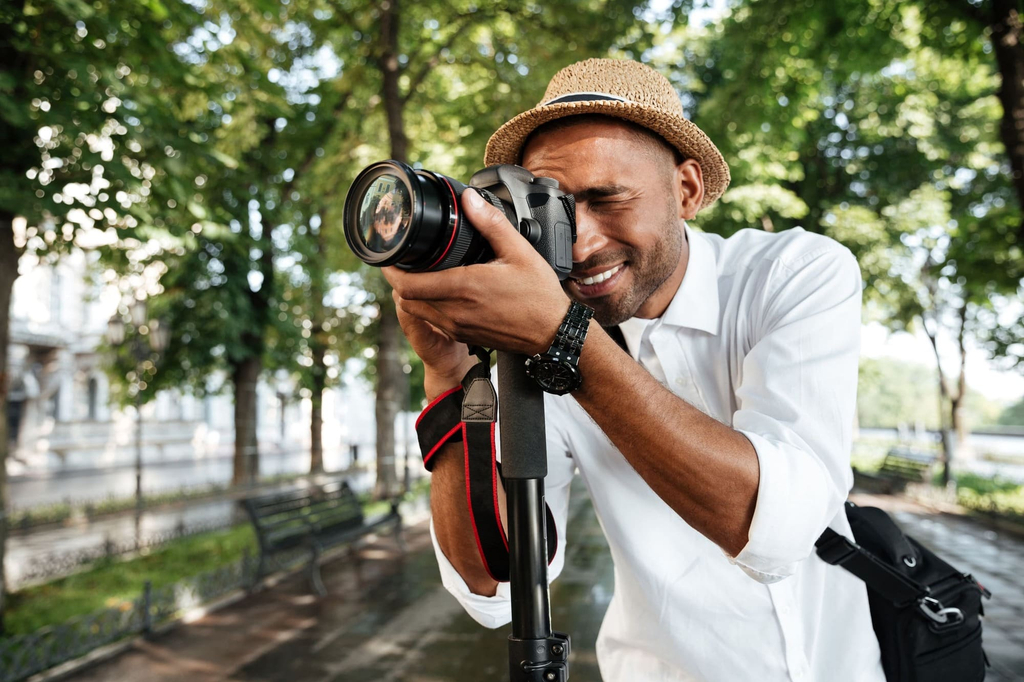
The first step is deciding what type of photography you want to offer. Choosing a niche helps you understand your target customers, equipment requirements, pricing, and marketing strategy.
Wedding Photography
Wedding photography is one of the popular photography business categories. Couples hire professional photographers to capture wedding ceremonies, pre-wedding shoots, engagement sessions, and other celebrations.
This niche requires strong technical skills, creativity, event coordination, and the ability to capture important moments.
Portrait Photography
Portrait photographers capture individual, family, professional, and personal photographs.
You can offer services for graduation portraits, professional headshots, family sessions, maternity photography, and personal branding.
Product Photography
Product photography focuses on creating attractive images of products for websites, online stores, catalogs, advertisements, and social media.
Potential customers include e-commerce businesses, fashion brands, jewelry stores, restaurants, and manufacturers.
Event Photography
Event photographers cover birthdays, corporate meetings, concerts, private parties, conferences, and social gatherings.
This business can provide opportunities for repeat customers and referrals.
Real Estate Photography
Real estate photography involves capturing professional images of residential and commercial properties.
Real estate agents, property developers, landlords, and rental businesses may need these services to promote their properties.
Fashion Photography
Fashion photography focuses on clothing, accessories, models, and creative brand campaigns.
You can work with fashion designers, boutiques, clothing brands, magazines, and advertising agencies.
Choose a niche that matches your interests, current abilities, and local market demand.
Step 2: Learn Photography Skills and Techniques
Owning an expensive camera does not automatically make someone a professional photographer. You need to understand how cameras work and how to create high-quality images in different environments.
Important photography skills include:
- Exposure and lighting
- Aperture, shutter speed, and ISO
- Composition and framing
- Focus and depth of field
- Natural and artificial lighting
- Color balance
- Camera lens selection
- Portrait posing
- Image editing
- Visual storytelling
Practice regularly and experiment with different lighting conditions, subjects, backgrounds, and camera settings.
You can improve your knowledge through online tutorials, photography courses, workshops, books, and practical assignments.
Building technical confidence is particularly important before accepting paid projects.
Step 3: Create a Photography Business Plan
A business plan helps you organize your photography services, identify potential customers, estimate expenses, and establish realistic business goals.
Your photography business plan should include the following sections:
| Business element | What to include |
|---|---|
| Business name | Professional photography brand name |
| Business niche | Wedding, portrait, product, or event photography |
| Target customers | Individuals, businesses, brands, or agencies |
| Services | Photography packages and deliverables |
| Equipment | Cameras, lenses, lighting, and accessories |
| Pricing | Hourly, project-based, or package rates |
| Marketing | Website, social media, and referrals |
| Financial planning | Startup costs and operating expenses |
| Growth strategy | Studio expansion and additional services |
A simple business plan is sufficient when starting independently. You can update it as your photography business develops.
Step 4: Research Your Local Photography Market
Before investing in cameras, lenses, and studio equipment, understand the photography market in your area.
Research the types of photography services people frequently purchase and identify potential customers.
For example, you can target:
- Couples planning weddings and pre-wedding shoots
- Families looking for portraits
- Businesses needing professional product images
- Restaurants requiring food photography
- Real estate agents promoting properties
- Event organizers needing professional photographers
- Clothing brands looking for fashion photography
Study other photography businesses in your area. Review their service packages, photography styles, customer reviews, and pricing.
Identify what you can offer differently. This could include faster image delivery, customized packages, creative photography styles, professional editing, or excellent customer communication.
Step 5: Purchase Essential Photography Equipment
Your camera and accessories are important investments. However, you do not need to purchase every available photography gadget when starting your business.
Here is a list of essential photography equipment:
| Equipment | Purpose |
|---|---|
| DSLR or mirrorless camera | Capturing professional photographs |
| Camera lenses | Different photography styles |
| Tripod | Stable camera positioning |
| External flash | Additional lighting |
| Softbox lights | Controlled studio lighting |
| Memory cards | Storing photographs |
| Extra batteries | Supporting longer shoots |
| Camera bag | Protecting equipment |
| Reflectors | Managing natural light |
| Editing computer | Processing photographs |
| External hard drives | Backing up image files |
Start with essential equipment: Choose a camera and lens suitable for your niche. You can rent specialized lenses, lighting, and additional camera bodies until your business generates enough revenue to purchase them.
Do not compromise on reliable memory cards and image backups. Losing important photographs from a paid assignment can seriously damage your reputation.
Step 6: Choose Photography Editing Software
Professional photography involves editing as well as capturing images. Editing helps improve exposure, colors, contrast, sharpness, and overall image presentation.
Some popular editing tools include:
- Adobe Lightroom for photo organization and editing.
- Adobe Photoshop for advanced image manipulation.
- Capture One for professional photo editing and color management.
- GIMP for free image editing.
- Darktable for open-source RAW photo processing.
- Canva for basic promotional designs and layouts.
Choose software according to your editing requirements and budget.
Develop a consistent editing style so your photographs have a recognizable appearance. Also, maintain original image files and backups until the agreed delivery and retention period has passed.
Step 7: Register Your Photography Business
After deciding on your business name and services, understand the legal requirements for operating professionally.
Depending on your business size and location, you may consider different business structures, including:
- Sole proprietorship
- Partnership
- Limited Liability Partnership (LLP)
- Private Limited Company
If you are starting in India, a sole proprietorship may be a practical structure for an individual photographer. However, the right choice depends on your business needs.
Consider the following requirements:
Business registration: Check the applicable local registration and licensing requirements.
GST registration: Understand whether GST registration is required based on turnover, the nature of services, and applicable tax rules.
Udyam registration: Eligible photography businesses may consider MSME Udyam registration.
Business bank account: Maintain separate business transactions where appropriate.
Insurance: Consider coverage for expensive cameras, lenses, equipment, and third-party liability.
Client agreements: Prepare written agreements covering payments, cancellations, image delivery, usage rights, and responsibilities.
Photography requirements can differ depending on the location and services provided. Seek professional advice when necessary. Hostinger+1
Step 8: Create a Professional Photography Portfolio
A portfolio is one of the most important marketing assets for a photography business. Customers generally want to see your work before deciding whether to hire you.
Your portfolio should showcase your strongest photographs and reflect the niche you want to serve.
Here are some ways to build your portfolio:
- Photograph friends and family members with their permission.
- Organize sample portrait or product photography sessions.
- Collaborate with local businesses and creative professionals.
- Create themed photography projects.
- Participate in small events to gain practical experience.
- Select your best photographs for presentation.
- Organize images into separate portfolio categories.
Avoid uploading every photograph you capture. Choose images that demonstrate your technical ability, creativity, and consistency.
You should also obtain permission before publishing photographs of people or using customer images for promotional purposes.
Step 9: Set Your Photography Business Prices
Pricing determines how much revenue you generate from your photography services. Your prices should reflect your skills, experience, equipment, editing time, travel, and business expenses.
There are several ways to charge customers.
Hourly pricing: Charge customers based on the number of hours required for a photography session.
Package pricing: Offer a fixed package that includes a specific shooting duration, number of edited photographs, and delivery format.
Project-based pricing: Set a total price for commercial assignments, product shoots, and business photography projects.
Event pricing: Charge according to event duration, coverage requirements, and deliverables.
Monthly contracts: Offer regular photography services to businesses that need recurring product or promotional images.
Example photography service packages:
| Photography service | Package example |
|---|---|
| Basic portrait session | Short session with edited images |
| Family photography | Family session with digital photographs |
| Product photography | Images for online stores |
| Birthday photography | Event coverage with edited photos |
| Wedding photography | Ceremony coverage and album options |
| Corporate photography | Professional team and workplace images |
Before confirming a price, calculate your shooting hours, editing time, travel expenses, equipment costs, and other project requirements.
Clearly explain what is included in each package. This prevents misunderstandings about the number of photographs, editing, albums, additional hours, and delivery dates.
Step 10: Create a Photography Website
A professional website helps customers discover your services and view your portfolio.
Your website should be simple, visually appealing, mobile-friendly, and easy to navigate.
Include these important pages:
- Home
- About the Photographer
- Photography Services
- Portfolio
- Pricing or Packages
- Customer Testimonials
- Contact
- Booking or Inquiry Form
Add high-quality photographs that represent your work. Optimize image sizes so your website loads quickly.
You can also create separate pages for different photography services, such as wedding photography, portrait photography, and product photography.
Step 11: Market Your Photography Business
Marketing helps you reach potential customers and build recognition in your local market.
Even talented photographers need an effective marketing strategy to attract regular bookings.
9Social Media Marketing
Platforms such as Instagram, Facebook, and Pinterest can help photographers showcase their creativity.
Share your best photographs, behind-the-scenes content, editing demonstrations, customer testimonials, and photography tips.
Use relevant location and service keywords in your social media descriptions.
Google Business Profile
Create a Google Business Profile if your business is eligible. Add accurate contact details, services, business hours, photographs, and service locations.
Encourage satisfied customers to leave genuine reviews.
Search Engine Optimization
SEO can help customers find your photography business through search engines.
Target relevant keywords such as:
- Wedding photographer near me
- Professional photographer
- Product photography services
- Event photography business
- Family photographer
- Photography studio near me
Create helpful website content and dedicated service pages for the locations you genuinely serve.
Networking and Partnerships
Build relationships with wedding planners, makeup artists, event organizers, decorators, clothing brands, marketing agencies, and real estate agents.
These professionals may recommend your photography services to their customers.
Referral Marketing
Encourage satisfied customers to recommend your services. You can introduce referral discounts or special packages where commercially suitable.
Step 12: Create Contracts and Manage Client Bookings
Professional agreements help protect your business and establish clear expectations.
Before accepting a project, discuss the following details with the customer:
- Type of photography service
- Date, location, and duration
- Total price
- Advance payment
- Remaining payment deadline
- Number of edited photographs
- Image delivery format
- Editing and revision limits
- Cancellation and rescheduling terms
- Image ownership and permitted usage
- Permission for portfolio publication
For weddings and other important events, clarify backup arrangements and what happens if equipment fails or unexpected circumstances affect the assignment.
Use written contracts instead of depending entirely on verbal agreements.
Step 13: Manage Your Photography Business Finances
Financial planning helps you understand how much your photography business earns and spends.
Maintain records of all business transactions, including customer payments, equipment purchases, transportation, editing software, marketing, studio rent, and employee payments.
Consider tracking the following:
| Financial activity | Why it matters |
|---|---|
| Monthly revenue | Measures business income |
| Equipment expenses | Tracks investment costs |
| Marketing expenses | Evaluates promotional spending |
| Travel expenses | Calculates project costs |
| Editing expenses | Measures production costs |
| Customer payments | Tracks outstanding balances |
| Net profit | Measures business performance |
Set aside money for equipment maintenance, unexpected repairs, software subscriptions, and slower business periods.
Step 14: Expand Your Photography Business
Once your business starts receiving regular bookings, you can explore opportunities to expand your services.
Some effective growth strategies include:
- Hiring additional photographers.
- Offering professional videography.
- Introducing photo album and printing services.
- Establishing a photography studio.
- Providing corporate photography packages.
- Offering product photography subscriptions.
- Working with advertising and marketing agencies.
- Selling photography presets and digital products.
- Expanding into additional locations.
You can also introduce specialized services such as drone photography, subject to applicable licensing, certification, and airspace requirements.
Expand gradually based on customer demand and available finances rather than purchasing expensive equipment without a clear business need.
How Much Does It Cost to Start a Photography Business?
The investment required depends on whether you work independently, operate from home, or establish a dedicated photography studio.
Here is an illustrative startup budget for a small photography business in India.
| Expense | Estimated investment |
|---|---|
| Camera body | ₹50,000 |
| Photography lens | ₹25,000 |
| Tripod and accessories | ₹5,000 |
| Lighting equipment | ₹10,000 |
| Memory cards and batteries | ₹5,000 |
| Editing and storage | ₹10,000 |
| Website and marketing | ₹5,000 |
| Miscellaneous expenses | ₹5,000 |
| Total | ₹1,15,000 |
Illustrative example, not a current equipment quotation. Actual costs depend on the camera system, equipment quality, location, and whether you already own a computer or accessories.
You can reduce startup costs by purchasing suitable used equipment, renting specialized lenses, and working from home instead of opening a studio immediately.
A dedicated professional studio may require considerably more investment for rent, interiors, backdrops, lighting, and additional equipment. The Saral+1
Common Challenges When Starting a Photography Business
Starting a photography company can be rewarding, but beginners may face several challenges while building their customer base.
| Challenge | Practical solution |
|---|---|
| Finding customers | Use social media and local networking |
| High equipment costs | Rent equipment before purchasing |
| Strong competition | Develop a unique photography style |
| Editing workload | Create an organized editing workflow |
| Irregular bookings | Offer recurring commercial services |
| Customer complaints | Use clear contracts and communication |
| Equipment damage | Maintain backups and consider insurance |
One of the biggest challenges is balancing photography work with business management. Remember that you will spend time communicating with clients, preparing shoots, editing photographs, marketing services, and managing payments in addition to taking pictures.
Is a Photography Business Profitable?

Yes, a photography business can be profitable if you choose the right niche, maintain service quality, and manage operating expenses effectively.
Different photography services offer different earning opportunities.
For example, wedding photographers may earn through event packages, pre-wedding shoots, albums, and additional coverage. Product photographers can develop recurring relationships with e-commerce brands that regularly need new images.
Portrait photographers can generate income through individual sessions, family packages, and professional headshots.
Your profitability depends on several factors:
- Number of monthly bookings
- Average project value
- Equipment and maintenance expenses
- Editing and delivery time
- Marketing costs
- Customer retention
- Competition and local demand
Instead of focusing only on the number of bookings, calculate the actual profit from every project.
Tips for Building a Successful Photography Brand
A recognizable brand can help your business stand out in a competitive market.
Follow these practices to establish a professional identity:
- Choose a memorable photography business name.
- Develop a consistent visual style.
- Maintain an impressive portfolio.
- Use professional communication with customers.
- Deliver photographs within agreed deadlines.
- Collect genuine customer testimonials.
- Keep learning new photography techniques.
- Maintain reliable equipment and backup systems.
- Build relationships with other professionals.
- Focus on customer satisfaction and referrals.
A strong reputation develops through consistent work and positive customer experiences.
Frequently Asked Questions About How to Start a Photography Business
How Much Money Do I Need to Start a Photography Business?
The investment depends on your photography niche and equipment requirements. A small freelance photography business may begin with a basic camera, suitable lens, lighting accessories, memory cards, and editing equipment. In India, an illustrative beginner setup may cost around ₹1 lakh to ₹2 lakh or more, depending on what you already own. A professional studio requires additional investment for rent, interiors, lighting, and equipment.
Is Photography a Good Business for Beginners?
Yes, photography can be a good business for beginners who enjoy creativity and visual storytelling. You can start with portraits, birthday events, product photography, or small commercial assignments. Develop your photography skills, build a portfolio, and gain experience before accepting larger projects. Consistent practice and customer satisfaction can help you establish a professional reputation.
What Equipment Is Needed to Start a Photography Business?
Essential photography equipment includes a DSLR or mirrorless camera, suitable lenses, tripod, external flash, lighting accessories, memory cards, spare batteries, and a camera bag. You will also need a computer for editing and reliable storage for backing up photographs. Additional equipment depends on whether you specialize in weddings, portraits, products, events, or commercial photography.
How Do I Get My First Photography Clients?
You can find your first photography clients through friends, family referrals, social media, local businesses, event organizers, and professional networking. Create a portfolio showcasing your best photographs and share it with potential customers. You can also collaborate with makeup artists, wedding planners, clothing brands, and marketing agencies to generate referrals and develop long-term business relationships.
Can I Start a Photography Business From Home?
Yes, you can start a photography business from home without immediately renting a commercial studio. You can manage bookings, edit photographs, communicate with customers, and organize your portfolio from home while traveling to client locations for photography sessions. As your business grows, you can consider renting a studio or establishing a dedicated photography workspace.
Conclusion
Learning how to start a photography business can help you turn your creative passion into a professional career and a potential source of income. From wedding and event photography to portraits, product photography, and commercial assignments, there are several opportunities for photographers with different interests and skill levels.
Start by selecting a photography niche, developing your technical skills, purchasing essential equipment, and creating a strong portfolio. Establish competitive prices, register your business where required, and promote your services through websites, social media, and professional networking.
You do not need to build a large photography studio immediately. Start with manageable projects, focus on delivering excellent photographs, and reinvest your earnings into better equipment and business development.
With creativity, consistent practice, effective marketing, and good customer relationships, you can gradually turn your photography business into a recognized and sustainable brand.



1 Comment
Your comment is awaiting moderation.
Alright, x111gamedownload.com, time to put your downloads to the test! Hope they come with the right files and at good speeds. x111gamedownload
[…] Read More : How to Start a Photography Business: A Complete Step-by-Step Guide for Beginners […]